

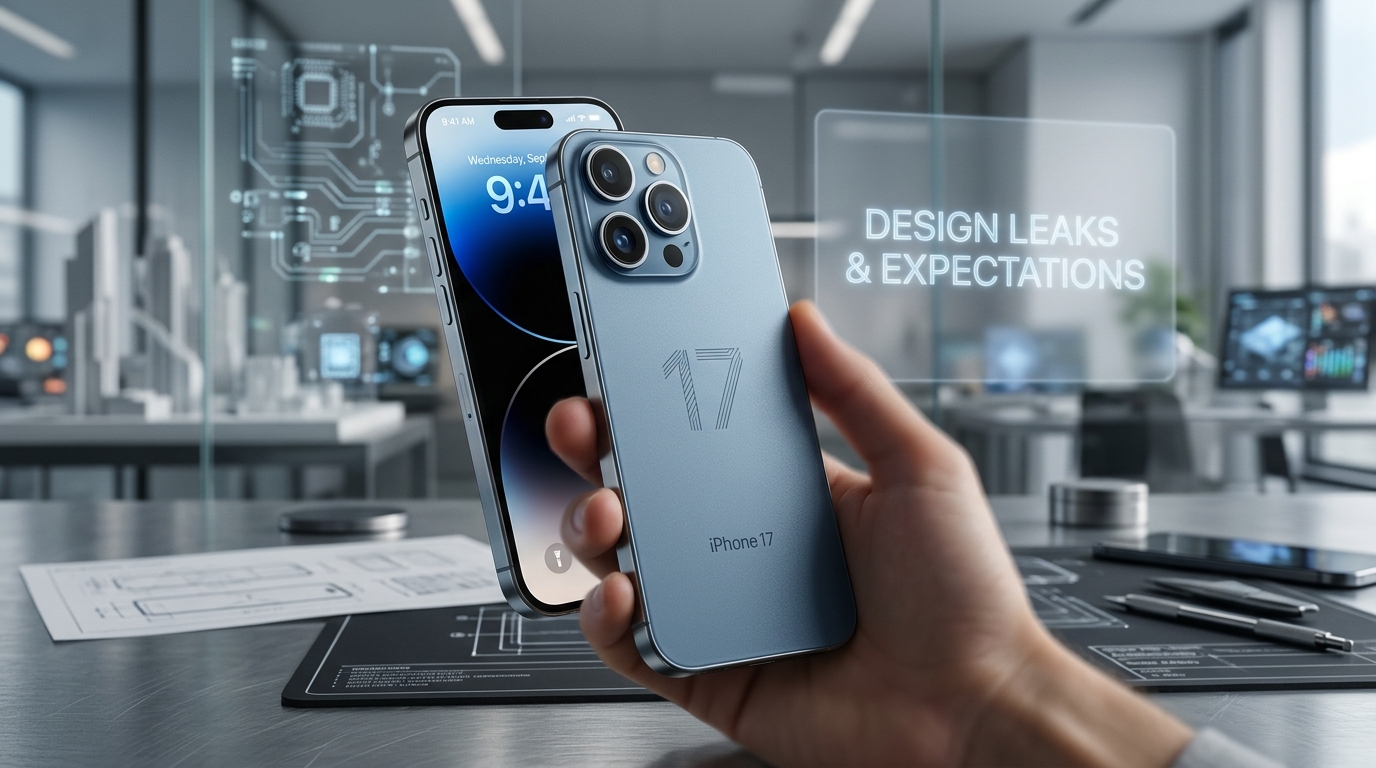

What Does the iPhone 17 Look Like? Design Leaks, Renders & Expectations
The excitement surrounding the iPhone 17 continues to build rapidly. Tech enthusiasts, casual users, and industry analysts alike are eager to discover exactly what Apple’s 2026 flagship lineup will look like. The latest leaks, schematic renders, and supply chain reports suggest that the upcoming iPhone 17 features will bring significant visual and structural upgrades. Beyond minor incremental updates, the new generation is expected to introduce refreshed materials, revised form factors, and refined hardware integration.

Early rumors point toward a redesigned rectangular camera array, a potential switch back to premium aluminum frames for select models, and optimized display dimensions standardizing around 6.3 inches for base variants. Additionally, industry insider reports hint at advanced durability enhancements, including “Low-Dielectric TEE” glass technology and fresh color offerings. Based on recent developments and architectural leaks, here is everything we know so far about the iPhone 17 design.
Key Takeaways
-
Refreshed Camera Module: A potential shift toward a streamlined rectangular camera array layout.
-
Material Adjustments: Rumors suggest a transition back to specialized aluminum frames alongside lightweight titanium options.
-
Expanded Display Standard: The standard base model is expected to feature a 6.3-inch display with smaller bezels.
-
Advanced Durability: The implementation of novel “Low-Dielectric TEE” coating technology for improved drop and scratch resistance.
-
Modernized Aesthetics: Introduction of fresh color palettes, including rumored sky blue and subtle metallic hues.
Introduction to the iPhone 17 Design

The anticipation for the iPhone 17 highlights Apple’s ongoing dominance in industrial smartphone design. Historically, the iPhone series has set design standards across the mobile industry. The iPhone 17 lineup aims to maintain this legacy by blending aesthetic elegance with meaningful functional enhancements.
Over the years, iPhone aesthetics have evolved dramatically. From the iconic curved aluminum casing of early models to the sharp flat edges of recent generations, Apple continuously balances form and utility. To accurately project what the iPhone 17 design will look like, it is essential to analyze Apple’s historical design trajectories and current manufacturing investments.
Brief Overview of iPhone Design Trends
Apple’s design philosophy hinges on functional minimalism, precise manufacturing tolerances, and high-grade materials. Historically, major design shifts occur every few generations, followed by subtle refinements. Recent updates have prioritized maximizing screen real estate by reducing bezel thickness, integrating dynamic software-hardware interfaces like the Dynamic Island, and adopting advanced materials like aerospace-grade titanium. These gradual updates keep devices feeling modern while ensuring structural integrity.
Importance of Design in Smartphone Appeal
Design remains a primary factor in consumer purchasing decisions. A smartphone’s exterior shape dictates how comfortable it is to hold, how effortlessly it fits into daily routines, and how intuitively users interact with its hardware components. Beyond tactile comfort, smartphone design represents a brand’s engineering identity. For Apple, maintaining a distinct, instantly recognizable aesthetic is vital in a competitive global market.
Expected Design Changes in the iPhone 17
Leaked renders and supply-chain schematics point toward several structural modifications in the iPhone 17 series. Rather than an overly radical departure, Apple appears focused on creating a sleek, highly ergonomic chassis that improves physical handling while accommodating internal hardware upgrades.
The most notable rumored direction involves a cleaner front and rear footprint. By slimming down internal components, Apple aims to deliver a thinner profile without compromising battery capacity.
+-------------------------------------------------------------+
|              EXPECTED IPHONE 17 DESIGN OVERVIEW             |
+------------------------------+------------------------------+
| Feature                      | Expected Specification       |
+------------------------------+------------------------------+
| Base Display Size            | 6.3 inches                   |
| Chassis Materials            | Recycled Aluminum / Titanium |
| Front Glass Technology       | Low-Dielectric TEE Glass     |
| Main Camera Array Layout     | Horizontal / Rectangular     |
+------------------------------+------------------------------+
Shift Towards a More Minimalist Aesthetic
The iPhone 17 is expected to push minimalism even further. Reports indicate Apple is utilizing advanced display driver encapsulation to achieve exceptionally thin, uniform bezels around the entire panel. This design logic creates an almost borderless front facade, bringing users closer to an uninterrupted visual experience.
Potential New Color Options
Color variations remain a key marketing highlight for every new iPhone launch. The iPhone 17 lineup is expected to introduce refined finishes designed to appeal to both professional and consumer tastes.
| Color Option | Description |
| Pacific Blue | A deeper, richer blue shade with a matte finish. |
| Sunset Orange | A vibrant, warm tone introduced for standard models. |
| Midnight Green | A dark, elegant green shade returning with polished accents. |
Use of Sustainable Materials
Environmental sustainability plays an increasingly prominent role in modern tech manufacturing. The iPhone 17 is expected to incorporate higher percentages of 100% recycled aluminum, cobalt, and copper across its internal chassis and outer frame, aligning with carbon-neutral manufacturing goals.
Display Features of the iPhone 17
The display panel serves as the primary gateway to the user experience. Speculation regarding the iPhone 17 screen specifications suggests notable upgrades in sizing, energy efficiency, and protective glass integration.
Rumored Screen Size and Resolution
Current leaks suggest the base iPhone 17 model will expand from 6.1 inches to approximately 6.3 inches, matching the screen footprint introduced on recent Pro variants. Higher-tier models, such as the Pro Max or rumored ultra-thin variants, will retain larger 6.7-inch to 6.9-inch displays. Resolutions are expected to scale proportionally, delivering crisp pixel densities alongside high brightness outputs suitable for direct outdoor usage.
Expected Improvements in Display Technology
Apple is rumored to expand its 120Hz ProMotion technology across all iPhone 17 models, ending the high-refresh-rate exclusivity previously reserved for Pro variants. The adoption of energy-efficient LTPO OLED panels will allow dynamic refresh rate adjustments down to 1Hz, optimizing battery life during always-on display modes.
Design of the Notch and Front Camera
The front housing for Face ID sensors and the selfie camera is expected to undergo further miniaturization. While the Dynamic Island layout will likely remain, structural revisions will reduce its physical footprint, freeing up additional status bar area for icons and notifications.
Camera Design Enhancements

The rear camera assembly is often the most prominent visual feature of any modern smartphone. The iPhone 17 camera module is expected to undergo a noticeable structural update to accommodate upgraded optical sensors.
Expectation of New Camera Placement
Supply chain reports suggest Apple is experimenting with a redesigned camera island layout. Rather than the traditional square module housing diagonal lenses, certain iPhone 17 models may adopt a centralized or horizontal camera bar design to distribute weight more evenly.
+-----------------------------------------------------------------+
|               CAMERA SYSTEM SPECIFICATION MATRIX                |
+-----------------------+-------------------+---------------------+
| Feature               | iPhone 16 Base    | iPhone 17 Expected  |
+-----------------------+-------------------+---------------------+
| Main Sensor           | 48MP Fusion       | 48MP / 50MP Enhanced|
| Telephoto Lens        | N/A (Standard)    | 3x Optical Option   |
| Front Camera          | 12MP TrueDepth    | 24MP Upgraded Sensor|
| Camera Island Layout  | Diagonal Square   | Streamlined Bar/Box |
+-----------------------+-------------------+---------------------+
Introduction of Enhanced Camera Features
Alongside physical housing changes, internal optics are receiving a upgrade. Upgraded 24MP front-facing cameras across the entire lineup will offer vastly improved crop flexibility and low-light performance for video calls and personal imagery.
Physical Dimensions and Build Quality
The overall physical footprint of a device dictates daily comfort. Apple’s structural adjustments for the iPhone 17 focus on optimizing weight distribution, frame strength, and environmental resilience.
Size and Weight Changes
Despite subtle increases in screen sizes, chassis re-engineering aims to keep the overall device weight balanced. By refining internal layout architecture and optimizing thermal heat sinks, the physical weight will remain manageable for single-handed usage.
Materials Used
The blend of materials used across the enclosure directly affects thermal dissipation, structural rigidity, and tactile feel. The iPhone 17 series will utilize custom-milled aluminum enclosures for base models and refined titanium alloys for higher-end variants.
+-----------------------------------------------------------------+
|                   CHASSIS DURABILITY RATING                     |
+-----------------------+-----------------------------------------+
| Protection Class      | IP68 Certified (IEC Standard 60529)     |
| Water Depth Rating    | Up to 6 Meters for up to 30 Minutes     |
| Frame Composition     | Recycled Aluminum / Grade 5 Titanium    |
| Front Cover Glass     | Low-Dielectric Ceramic Shield           |
+-----------------------+-----------------------------------------+
Water and Dust Resistance
Durability metrics will continue to adhere to strict IP68 ratings. Structural seals along the frame buttons, SIM tray area (where applicable), and USB-C port maintain protection against environmental moisture and fine dust particles.
The Importance of Ergonomics
Hardware specifications mean very little if a phone feels awkward to use. Apple’s ergonomic strategy focuses on softening hard edges while maintaining a modern, structured aesthetic.
Design Impact on User Experience
Curvature along the rear glass edges where the frame meets the back panel allows the phone to rest comfortably inside the user’s palm. Slightly rounded perimeter bevels reduce the harsh tactile transition typically felt on sharp flat-edged designs.
Gripping and Handling the iPhone 17
Material coatings also influence physical handling. Micro-textured matte glass surfaces on the back panel mitigate accidental slips while resisting fingerprints, ensuring the phone stays clean and secure in hand.
Comparison with Previous iPhone Models
Evaluating design changes across iterations shows how Apple incrementally improves hardware over multi-year cycles.
+------------------------------------------------------------------+
|               MULTI-GENERATION DESIGN COMPARISON                 |
+------------------+-----------------------+-----------------------+
| Model            | Frame Material        | Screen Sizes          |
+------------------+-----------------------+-----------------------+
| iPhone 14 Series | Aluminum / Steel      | 6.1" / 6.7"           |
| iPhone 15 Series | Aluminum / Titanium   | 6.1" / 6.7"           |
| iPhone 16 Series | Aluminum / Titanium   | 6.1" / 6.3" / 6.9"    |
| iPhone 17 (Exp.) | Recycled Alloy / Ti   | 6.3" / 6.7" / 6.9"    |
+------------------+-----------------------+-----------------------+
Key Design Differences between iPhone 16 and 17
Compared to its direct predecessor, the iPhone 17 moves further toward uniform 120Hz display standards across all models, features upgraded front cameras, and introduces subtle shifts in camera module geometries to support updated sensor dimensions.
Accessories and Compatibility

With structural dimensional changes, existing protective cases and specific accessories will need adjustments to fit the iPhone 17 perfectly.
Emerging Trends in iPhone 17 Accessories
Third-party manufacturers are already adapting to updated schematic dimensions. Key accessory trends include:
-
Ultra-thin protective cases emphasizing structural corner bumpers.
-
MagSafe-compatible multi-functional stands and snap-on power banks.
-
Integrated camera lens protectors tailored to the enlarged camera module footprint.
Innovations in Button and Port Design
The physical controls on smartphones continue to evolve toward solid-state and multi-purpose functionality.
Changes to Volume and Power Buttons
Building upon the Action Button and Camera Control capacitive keys introduced in recent models, the iPhone 17 series will refine tactile response times, integrating contextual press gestures for fast app launching and camera switching.
USB-C Adoption and Its Impact
Universal USB-C integration across all models ensures fast data transfer speeds and charging compatibility across Apple’s unified hardware ecosystem.
Color Variants and Options
Color aesthetics remain an essential part of consumer personalization, balancing executive tones with vibrant creative options.
+-----------------------------------------------------------------+
|                   EXPECTED COLOR DISTRIBUTION                   |
+-----------------------------+-----------------------------------+
| Standard iPhone 17 Models   | Pro / High-End Models             |
+-----------------------------+-----------------------------------+
| Midnight Black              | Space Black                       |
| Starlight / White           | Natural Titanium                  |
| Sunset Orange               | Deep Blue Titanium                |
| Sky Blue                    | Desert Titanium                   |
+-----------------------------+-----------------------------------+
Market Expectations and Consumer Preferences
Consumer preferences in 2026 lean heavily toward high display durability, long battery endurance, and intuitive photography features contained within an elegant form factor.
Influence on Buying Decisions
A visually refined design combined with upgraded base display specs (such as 120Hz ProMotion across all tiers) will likely drive strong upgrade cycles among users holding older devices from previous generations.
The Role of Leaks and Renders in Speculation
While early renders offer an exciting preview of upcoming technology, official details remain unconfirmed until Apple formally announces the lineup during its traditional fall launch event. Supply-chain leaks serve as valuable indicators of manufacturing directions, but minor aesthetic elements can shift during final production validation.
FAQ
What are the main expected design changes in the iPhone 17?
The iPhone 17 is expected to feature refined aluminum/titanium frames, slimmer display bezels, a standardized 6.3-inch base display size, and a potential camera array layout modification.
Will the standard iPhone 17 feature a larger display?
Yes, supply chain leaks indicate that the standard base model screen size will increase from 6.1 inches to 6.3 inches.
Will all iPhone 17 models support 120Hz ProMotion displays?
Current expectations suggest Apple will bring 120Hz LTPO OLED ProMotion technology to the entire iPhone 17 lineup.
What changes are expected for the iPhone 17 front camera?
The front-facing camera is expected to receive an upgrade to a 24MP sensor, housed within a slightly smaller Dynamic Island cut-out.
Will old iPhone cases fit the new iPhone 17?
Due to subtle changes in screen dimensions, overall body thickness, and camera module dimensions, most cases designed for previous generations will not be fully compatible.